Faith in the Wilderness
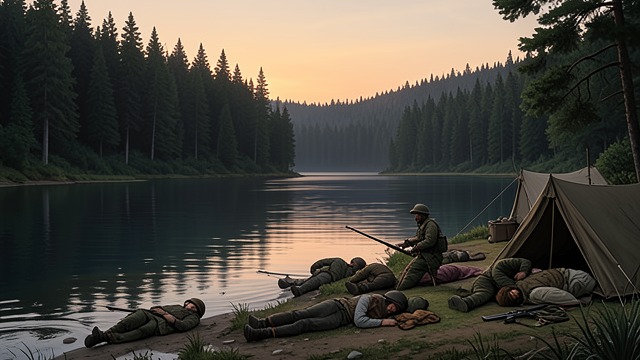
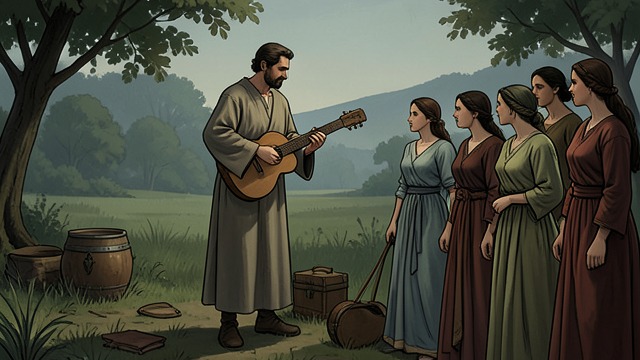
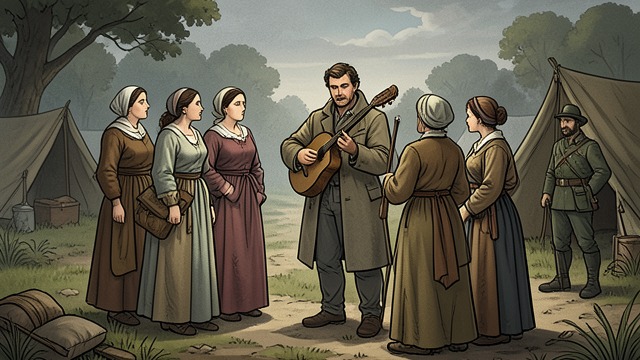
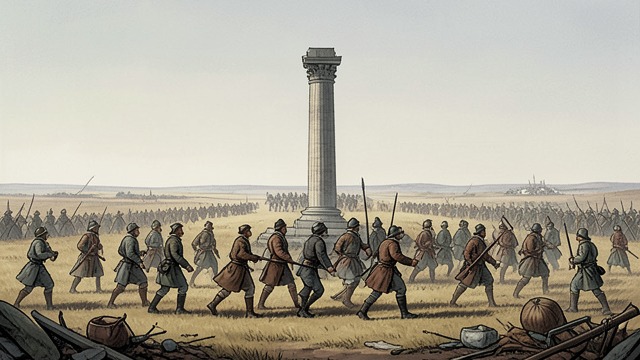
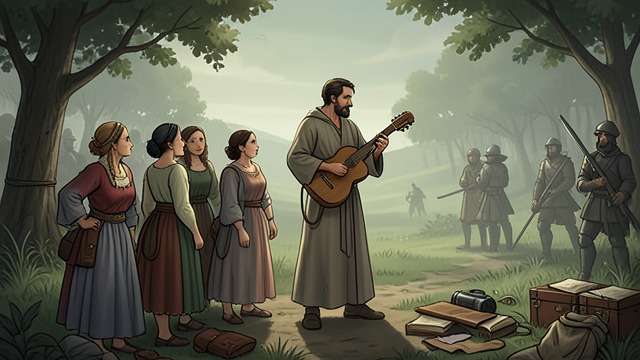
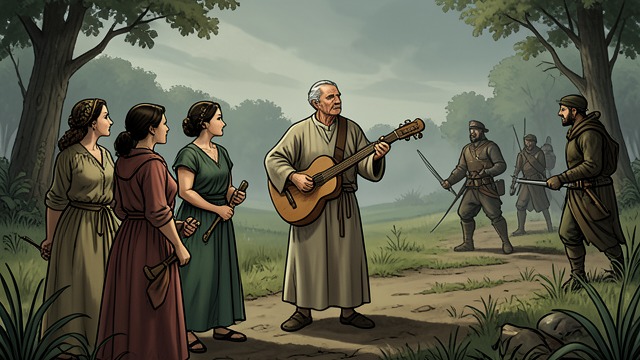
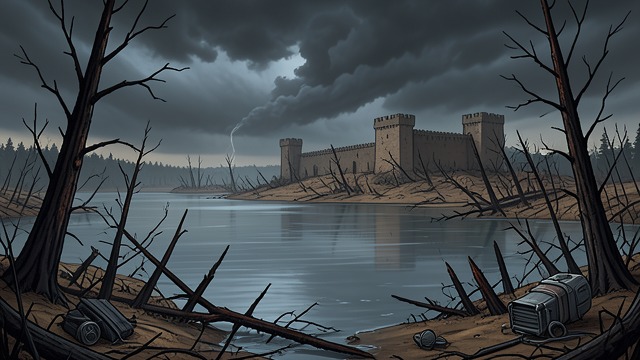
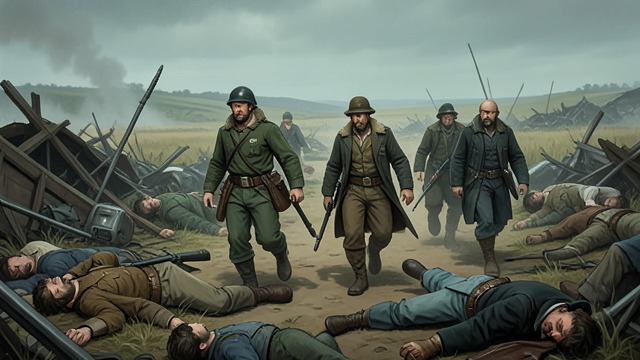
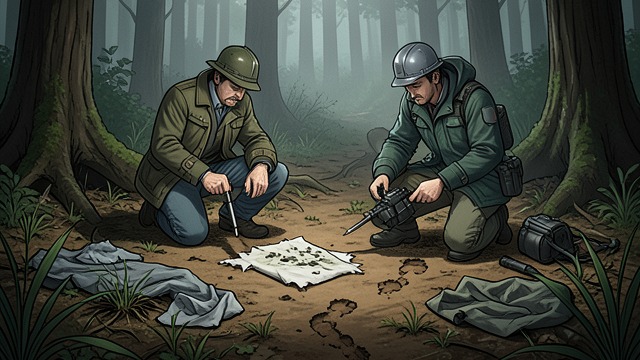
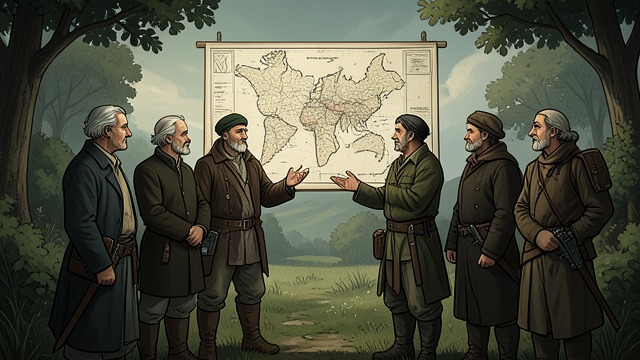
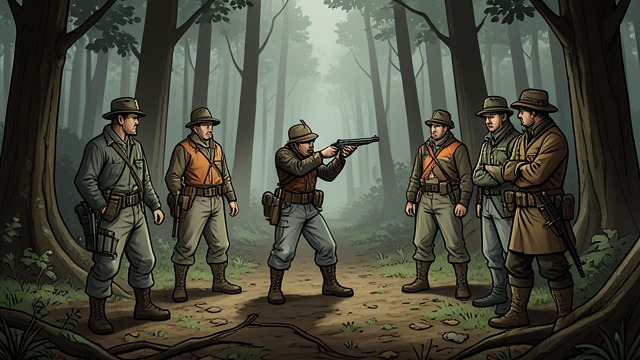
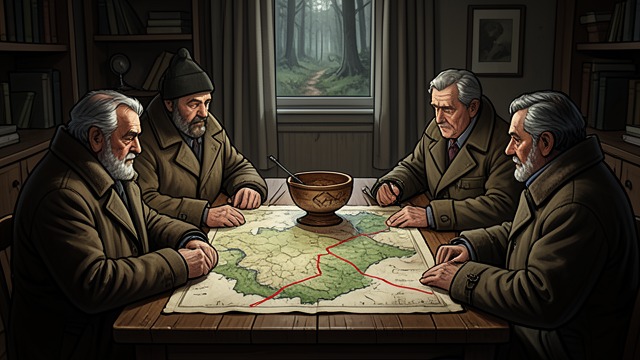
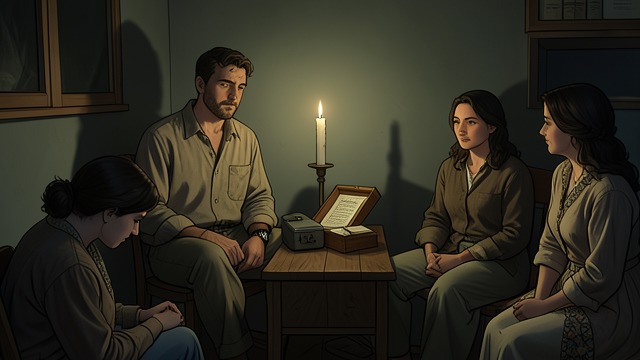
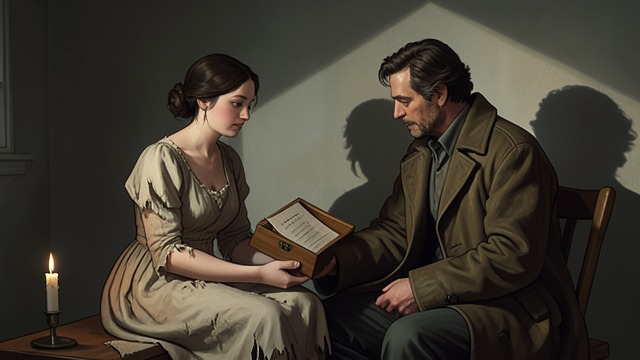
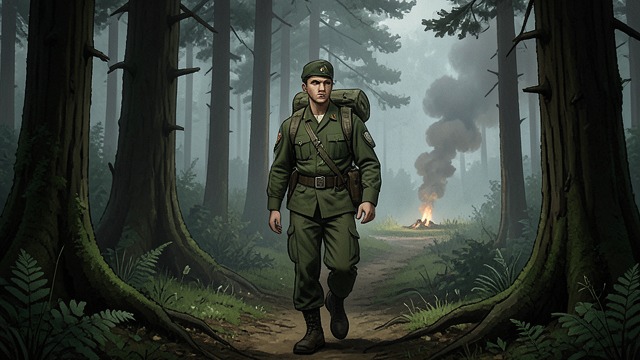
The Last of the MohicansThis flow traces how Christian belief, Indigenous spirituality, and the uncertainties of death coexist among the survivors. This flow traces honor from battlefield reputation through surrender, protection, and the judgment of later memory. This flow contrasts book learning with the practical knowledge that allows the rescuers to read and survive the wilderness. This flow explores how colonial conflict divides Indigenous communities and makes political labels unreliable guides to personal loyalty. This flow traces the transformation of the lake and forest from a beautiful setting into a physical record of violence. This flow traces the changing function of David's music, from worship and protection to companionship during captivity. This flow explores the tension between bold action and patient judgment in the rescue mission. This flow explores how names, disguises, language, and ancestry determine who is trusted or condemned in the competing communities. This flow examines the tension between communal law, evidence, mercy, and the suffering produced by decisions that are formally just. This flow traces how Delaware history moves from Tamenund’s fading recollections to Uncas’s recognition and the renewal of collective leadership. This flow explores how language, hospitality, ancestry, and military necessity complicate cooperation among Delawares, Mohicans, Hurons, and English settlers. This flow traces how characters survive by reading expectations, concealing intentions, and turning an opponent’s assumptions into tactical openings. This flow traces how memories of deaths, displacement, and past alliances are repeatedly invoked to justify present decisions and future retaliation.
 Bearing strength in each event
 decreasing